
Stem Cell Therapy
Healing the Modern Athlete with Stem Cell Therapy for Joint Pain in Ohio
For athletes, joint pain has long been one of the most frustrating barriers to staying in the game. Whether it’s a marathoner dealing with worn-down knees, a weekend basketball player nursing a stiff shoulder, or a cyclist managing chronic hip discomfort, traditional recovery options like cortisone injections, physical therapy, and surgery have defined the path forward for decades. But a newer approach is reshaping how local athletes think about downtime and rehabilitation. Stem cell therapy for joint pain in Ohio has emerged as a regenerative option that athletes of all levels are increasingly exploring as part of their recovery conversations.
Why Athletes Are Rethinking Recovery
Modern athletes are more educated than ever. Today’s athletes have access to research in sports science, performance data, and medical innovation. They want solutions that are aligned with their long-term objectives rather than quick fixes. While cortisone injections can provide temporary relief, they don’t treat the underlying cause of joint wear. Athletes can be sidelined for months by surgery, and the rehabilitation process is often long. The appeal of minimally invasive regenerative options is great for active people whose identity is tied to movement.
This change in mentality is part of an overall trend in sports medicine. Athletes prioritize treatments that support their body’s biological processes, rather than masking symptoms. Regenerative approaches offer a new framework to help athletes recover.
The Science Behind the Shift
Stem cells are specialized cells capable of developing into various tissue types, and they play a natural role in the body’s repair processes. In a clinical setting, these cells are typically sourced, processed, and introduced into the affected joint area to support the natural environment of the tissue. While research is ongoing and outcomes vary by individual, the science has captured the attention of orthopedic specialists, sports medicine physicians, and the athletes they treat.
Local medical communities have become a meaningful hub for this kind of innovation. With a strong network of research institutions, regenerative specialists, and sports medicine clinics, this can offer athletes access to providers who are closely following clinical developments. That proximity to expertise matters, especially for athletes who want to make informed decisions about their care.
What Athletes Typically Consider
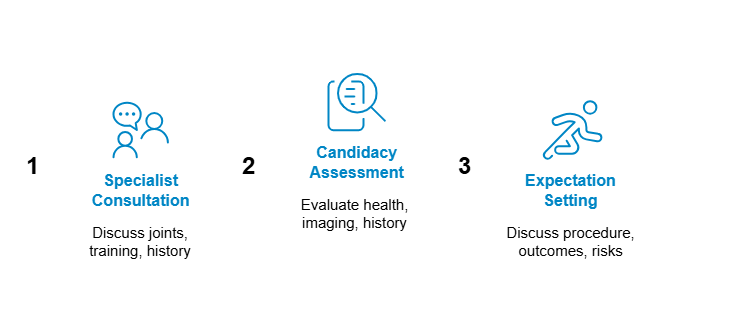
Before pursuing regenerative options, athletes usually weigh a combination of factors. These conversations with our qualified specialists often cover:
- The specific joint involved and the nature of the discomfort
- Training schedules, competition timelines, and recovery windows
- Previous treatments and how the body has responded
- Candidacy based on overall health, imaging, and medical history
- Realistic expectations about what the procedure may or may not involve
How It Fits Into a Training Lifestyle
Regenerative medicine is popular among athletes because it can be easily integrated into their daily routines. Most procedures are performed as an outpatient procedure, so many patients can return home that same day. Avoiding extended hospital stays can be a great advantage for athletes who are balancing family life, work, and training.
Recovery still takes patience. Athletes following this path are advised to adjust their training during the recovery period and to work closely with their provider in order to monitor their progress. It is important to give the body enough time to recover before rushing into high-impact activities. This measured approach is often in line with the way athletes who are used to structured training programs think about performance.
The Role of a Qualified Provider
Choosing where to receive care matters just as much as choosing the treatment itself. Here at the Regenerative Lower Extremity Institute, athletes are met with a team that understands the unique demands placed on active bodies and the importance of getting recovery right. Every consultation begins with a thorough evaluation, an open conversation about goals, and a clear explanation of what regenerative medicine can and cannot address for each individual case. Transparency about procedures, candidacy, and realistic expectations is a core part of our approach to patient care.
Athletes who visit our team also benefit from a collaborative mindset. Our team is accustomed to working alongside orthopedic surgeons, physical therapists, and performance coaches to ensure that regenerative options are thoughtfully integrated into a broader recovery plan. Rather than offering a one-size-fits-all solution, we tailor each consultation to your sport, training schedule, and long-term goals, helping you make informed decisions rooted in your needs.
A Changing Conversation in Sports Medicine
What stands out most about this trend is more than just the science; it is the fundamental change in how we discuss joint issues and long-term mobility. Instead of viewing wear and tear as an inevitable path towards surgery, athletes are prioritizing inquiries into biological healing and preventative strategies. This shift is encouraging advanced research, sophisticated methods, and a healthcare model centered on the patient across local communities.
For those dealing with joint pain, evaluating regenerative pathways has become a core component of modern recovery. Regardless of whether your priority is professional sports, lifelong fitness, or simply improving your daily quality of life, a consultation with our specialized team is the essential starting point for discovering how these treatments align with your unique health profile and long-term goals.
Next step
Have a question for RLE Institute?
A national institute of physician specialists (DPM) advancing non-surgical regenerative medicine for the foot, ankle and lower leg — stem cell therapy, exosome therapy, peptide therapy and combination treatments — to help people move better and live with less pain. Locations in Ohio, Chicago, Puerto Rico, South Carolina, South Dakota and California.
Get in touch