
big toe joint pain
Big Toe Joint Pain: How to Choose a Safe Next Step in Bayamón
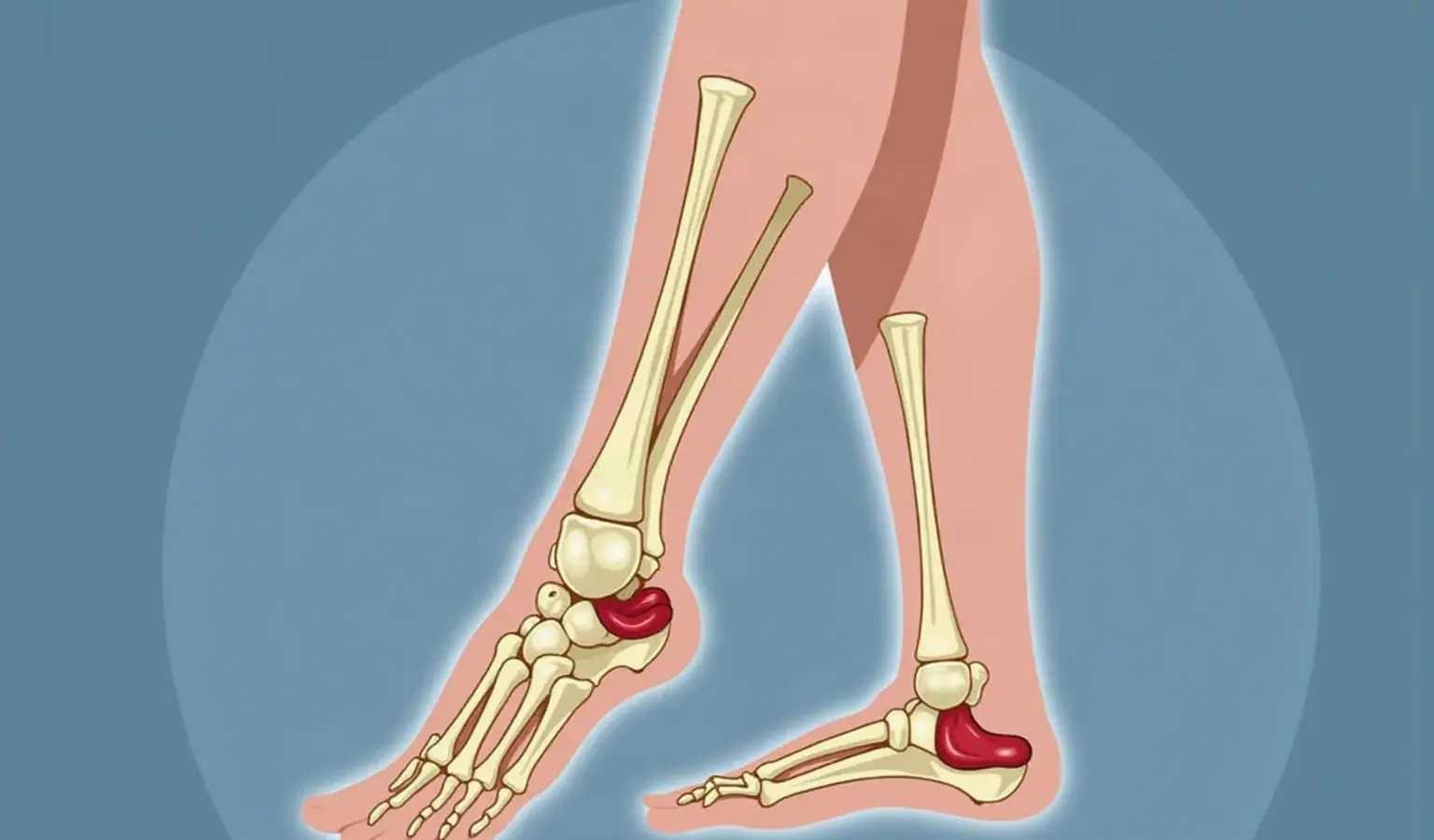
Start with the decision, not a diagnosis
Hallux rigidus, gout, turf toe, and other types of arthritis can all be associated with pain in this area, yet they may call for different approaches. Gout and hallux rigidus can also feel different even though both affect the big toe. That distinction can help organize a conversation about evaluation, but it cannot identify the cause of your individual pain.
If you are in Bayamón, start by describing what you can observe: when the pain began, whether it appeared suddenly, whether the joint is swollen or red, how far the toe moves, and whether walking or standing makes the pain worse. Use those details to choose among three broad paths: brief monitoring when symptoms are limited and improving, a clinical assessment when pain persists or affects daily life, or prompt attention when the joint becomes markedly inflamed or weight-bearing pain is worsening.
A symptom pattern is a sorting tool, not a diagnosis. Pain that lasts more than a few days or interferes with daily activities calls for professional assessment. Pain that intensifies during walking or standing should also be taken seriously because it may occur with several foot conditions, including stress fractures or tendon problems. Start with the pace of the decision, then use the sections below to prepare a more focused conversation.
Sort the main possibilities by what the pain feels like
Several conditions can produce pain around the big toe joint, including hallux rigidus, gout, turf toe, and other forms of arthritis. Because those conditions differ, the treatment discussion may differ as well. The same symptom label does not tell you whether the main issue is inflammation, restricted motion, an injury pattern, or another joint change.
You can organize your observations into four broad questions:
- Did the pain appear suddenly or build gradually? A sudden change deserves a different conversation from pain that has slowly limited movement.
- Does the joint look inflamed? Redness, swelling, and intense pain create a pattern that should not be casually assigned to ordinary irritation.
- Does bending the big toe trigger the pain or feel restricted? Limited extension is relevant when hallux rigidus is being considered.
- Does walking or standing make the pain worse? Weight-bearing impact helps determine how quickly you should arrange an assessment.
These questions help you communicate clearly. They do not let you confirm gout, hallux rigidus, turf toe, or arthritis on your own.
The location of pain can narrow the conversation without settling it. Pain and swelling at the joint where the big toe meets the foot can occur early in gout, while pain linked to reduced big-toe motion can raise a hallux-rigidus question. Those patterns can overlap, and gout and hallux rigidus may be confused because they affect the same area. Record the pattern you notice and bring it to a qualified healthcare professional instead of choosing treatment from the pattern alone.

A sudden hot, red, swollen joint raises a gout question
Gout can cause intense pain, redness, and swelling when uric acid forms needlelike crystals that collect in joints and other tissues. Gout often begins in the joint of the big toe, although it can also affect the knees, wrists, and ankles. Pain and swelling where the big toe meets the foot can therefore be an early gout symptom, but that pattern is not proof that gout is the cause.
Describe the onset and intensity, note whether the swelling is changing, and explain whether you can walk normally. A qualified healthcare professional can decide what evaluation is appropriate for the pattern.
A gout question is different from a motion question, even when both involve the big toe. Ask yourself:
- Did the pain arrive abruptly or increase over time?
- Is redness or swelling prominent?
- Is the pain intense enough to change how you stand or walk?
- Has the same pattern affected another joint, such as an ankle or knee?
These observations are useful for an appointment because they describe the episode without turning it into a self-diagnosis. Persistent toe pain or pain that changes your daily activities should be assessed by a healthcare professional.
Pain with reduced big-toe motion raises a hallux-rigidus question
Hallux rigidus can restrict extension at the first metatarsophalangeal joint, the joint where the big toe meets the foot, and it is commonly associated with a dorsal osteophyte, or bony growth on the top side of the joint. These changes can cause pain. Hallux rigidus may also be associated with altered first-ray biomechanics and decreased mobility of the first ray, a group of bones and joints involved in the inner part of the foot.
The practical clue is a movement-linked pattern: the toe does not bend upward as it once did, or that motion produces pain. A visible or palpable bump on top of the joint may add context, but it does not establish the diagnosis by itself. The relevant question is whether the symptoms, examination findings, and any testing fit together.
Hallux rigidus and gout can be confused because both affect the big toe, but their symptoms typically feel different. A movement-limited pattern points toward a different set of questions than a sudden episode marked by redness, swelling, and intense pain. That contrast can guide what you report at an evaluation:
- Explain which direction of motion hurts or feels blocked.
- Say whether the pain is present at rest or mainly with movement and weight-bearing.
- Note whether the symptoms are stable, improving, or progressively interfering with walking.
- Mention any sudden swelling or redness instead of assuming that all big-toe pain comes from joint wear.
Use the pattern to prepare for evaluation, not to decide that one condition is present.

Let duration and weight-bearing impact set the pace
The duration of big-toe pain and its effect on daily life should determine how quickly you move from observation to assessment. Pain lasting more than a few days warrants professional assessment, especially when it interferes with ordinary activities. You do not need to wait for pain to become severe before arranging that conversation.
Weight-bearing impact adds another practical signal. Pain that intensifies while walking or standing should be taken seriously and may occur with conditions such as stress fractures or tendon problems. That pattern does not identify the cause, but it does make continued activity without clarification a poor basis for decision-making. Tell the clinician how far you can walk, whether you are changing your gait, and which activities increase symptoms.
Use this pace-setting guide:
- Limited and improving: Briefly monitor the pattern while noting changes in pain, swelling, redness, motion, and walking tolerance.
- Persistent for more than a few days: Arrange professional assessment rather than continuing to guess at the cause.
- Interfering with daily activities: Treat the effect on your routine as a reason to seek evaluation, even if the joint does not look dramatically swollen.
- Worsening with walking or standing: Contact a healthcare professional to discuss the cause and appropriate treatment.
This guide sets the pace of the next conversation. It does not assign a condition or select a treatment.
Monitor briefly only when symptoms are limited and improving
Brief monitoring is reasonable only when the symptoms are limited and clearly improving. Monitoring means paying attention to the pattern, not ignoring it. Keep the observation period short, because pain that lasts more than a few days or begins to interfere with daily activities warrants professional assessment.
A simple symptom record can include:
- The date and approximate time the pain began.
- Whether the onset was sudden or gradual.
- Pain during rest, walking, standing, and big-toe movement.
- Any redness or swelling and whether it is increasing or decreasing.
- Shoes, activities, or positions that make the pain worse.
- The distance you can walk before changing how you move.
The record gives you a concrete account of change over time. It does not prove that symptoms are harmless or reveal the underlying condition.
A symptom that stops improving changes the decision. Move from monitoring to professional assessment if the pain persists beyond a few days, affects your daily activities, or becomes worse with walking or standing. Do not use a temporary decrease in pain as proof that the underlying cause has been resolved. Bring the record to the appointment so the discussion covers the full pattern rather than only the most recent moment.

Use low-risk conservative measures while the pattern is clarified
General conservative care for big toe pain may include rest, ice, proper footwear, anti-inflammatory medications, physical therapy, and custom orthotics. These are categories to discuss, not a personal treatment plan. The appropriate choice depends on the suspected cause, your health history, other medicines, and the effect of the pain on movement.
While you are arranging or preparing for an evaluation, keep the approach simple:
- Reduce activities that clearly increase the pain rather than repeatedly testing the joint.
- Choose footwear that does not add avoidable pressure to the painful area.
- Discuss anti-inflammatory medicine with a qualified healthcare professional or pharmacist before taking it, particularly if you have other health conditions or use other medicines.
- Ask whether physical therapy or custom orthotics fit the suspected condition and your walking pattern.
These measures may be discussed as part of conservative care. They should not delay assessment when symptoms persist, limit daily activities, or worsen with weight-bearing.
Conservative care has a decision-making role even when a procedure may eventually be discussed. It gives you time to describe what changes symptoms and what does not, while a clinician works to identify the cause. For hallux rigidus, nonsurgical treatments manage symptoms for most people, although persistent pain that interferes with daily life may lead to a discussion of surgery. Do not treat a general list of options as evidence that every option fits your joint or your situation.
What a clinical evaluation is meant to answer
A clinical evaluation is meant to help identify the cause of persistent toe pain and discuss appropriate treatment. The useful question is not simply, “What can be done for pain?” It is, “What pattern is present, what needs to be ruled in or out, and which level of care matches the effect on my life?”
Bring the following information:
- When symptoms started and whether the onset was sudden or gradual.
- The exact location of the pain and whether it is at the joint where the toe meets the foot.
- Redness, swelling, heat, or an abrupt increase in intensity.
- The amount of upward motion available at the big toe and what happens when you try to move it.
- Changes in walking, standing, exercise, work, or sleep.
- Measures you have already tried and the response you noticed.
This information helps connect your lived pattern with the examination and any testing the clinician considers appropriate.
A useful evaluation should connect three parts of the problem rather than focus on pain intensity alone:
- The symptom pattern: onset, duration, location, swelling, redness, motion, and triggers.
- The functional effect: how the pain changes walking, standing, exercise, work, sleep, or other daily activities.
- The decision ahead: whether monitoring, conservative care, a procedure, or another form of evaluation should be discussed.
A clinician may review the onset, duration, location, swelling, redness, motion, triggers, and effects on daily activities; an examination and, when appropriate, testing or imaging can then inform which explanation and next step warrant discussion. You can also ask what result would lead to a different next step. This keeps testing connected to a decision instead of treating a scan or procedure as the answer by itself.
For hallux rigidus, most people need nonsurgical treatments to manage symptoms. If lingering pain interferes with daily life, surgery may help. That does not mean surgery is the automatic next step; it means persistent functional impact belongs in a treatment discussion after the condition has been evaluated.
Ask the clinician to explain what finding supports the working explanation, what alternatives remain possible, and what would change the plan. If the proposed care involves a procedure, ask how it relates to the specific joint, how it fits with conservative care, and what follow-up would be needed. A treatment label should come after the clinical question, not replace it.
A persistent symptom deserves an explanation that accounts for its duration, movement pattern, and effect on walking. If those details do not fit the first explanation offered, say so and ask what else should be considered. The purpose of the visit is to clarify the cause and appropriate treatment, not to force your symptoms into a procedure category.
Compare procedures and regenerative options without treating them as interchangeable
Conservative care, injections, surgery, and regenerative treatment are not interchangeable choices. They answer different questions and carry different limits.
- Nonsurgical care: For hallux rigidus, most people only need nonsurgical treatments to manage symptoms. The discussion may include the conservative measures described earlier, depending on the evaluation.
- Surgery: Surgery may help when lingering pain interferes with daily life. That possibility follows an assessment of the joint and the effect of symptoms; it is not established by the phrase “big toe pain” alone.
- Joint-preserving procedures: These procedures aim to extend joint life and reduce symptoms. Guidance on hallux limitus describes them as a stopgap because further surgery is generally required if the joint becomes painful again. Ask what that limitation means for the proposed procedure and your longer-term plan.
- Injections: A review of intra-articular injections for hallux rigidus included steroids, hyaluronic acid, and adipose-derived cells. It examined outcomes, reported success rates, duration of relief, and factors that may affect efficacy. That review category does not make every injection material equivalent or establish that a particular option will help you.
You can compare the options using the same questions before discussing a specific procedure:
| Option | What it is meant to address | What you need to clarify |
|---|---|---|
| Nonsurgical care | Symptom management for an evaluated condition | Which measures fit the suspected cause and how progress will be judged |
| Injection | Delivery of a particular material into or around the affected area | Which material is proposed, what outcome was studied, and how long any relief may last |
| Joint-preserving procedure | Extending joint life and reducing symptoms | Whether the procedure is a stopgap and what may happen if pain returns |
| Surgery | Persistent symptoms that interfere with daily life when the evaluated condition warrants discussion | What problem it addresses and which alternatives should be compared |
The comparison is not a ranking. It is a way to keep the condition, intended outcome, limits, and follow-up visible in the same conversation.
Regenerative treatment should remain a condition-dependent discussion rather than a default response to joint pain. We present stem cell therapy for joint pain in Ohio as an area being investigated in clinical settings for potential relevance to joint osteoarthritis, cartilage defects, and chronic tendon or ligament concerns around the knee, ankle, and hip. That description does not establish a treatment for pain at the big-toe joint in Bayamón, and it does not establish that a proposed therapy is appropriate for you.
Physiological responses to regenerative treatments vary significantly, and biological adaptation tends to follow a gradual timeline. If a clinician raises a regenerative option, ask how the proposal relates specifically to your joint, what evidence applies to the condition being discussed, what alternatives remain available, and how response would be assessed over time. Keep the conversation anchored to the diagnosis, the evidence for that condition, and the limits of what can be expected.
Use four comparison questions before agreeing to any procedure:
- What condition is the procedure intended to address? A treatment discussed for knee osteoarthritis, for example, is not automatically an answer for a painful big-toe joint.
- What does the evidence actually measure? Ask whether it concerns pain, motion, function, duration of relief, or another outcome, and whether the studied condition matches yours.
- What are the limits and alternatives? Include conservative care, established procedures, and the possibility that the working explanation may change after evaluation.
- What is the follow-up plan? Ask how progress, lack of improvement, or a change in symptoms will affect the next decision.
This approach keeps interest in regenerative care separate from a promise of repair or pain relief. It also prevents an emerging option from replacing the basic work of identifying the cause.
Questions to bring to a Bayamón consultation
A Bayamón consultation is easier to use when your questions connect the symptom pattern to the decision ahead. Persistent toe pain deserves a conversation about its cause and appropriate treatment, while any injection or regenerative proposal deserves condition-specific questions about evidence, limits, and follow-up. Write down the answers rather than relying on memory during the appointment.
Ask questions that clarify the suspected cause:
- What findings make you think this is gout, hallux rigidus, turf toe, arthritis, or another condition?
- Does the suddenness of the pain, redness, swelling, or intensity change the evaluation?
- Does my reduced big-toe motion or movement-related pain suggest a joint-structure problem?
- What other explanations should remain under consideration?
- What examination, test, or imaging would help answer the main question, and what would each result change?
These questions keep the appointment focused on the pattern rather than on a treatment selected in advance.
Ask questions that compare care paths:
- Which conservative measures fit the suspected condition, and how should I judge whether they are helping?
- Would footwear changes, physical therapy, or custom orthotics have a role in the plan?
- At what point would a procedure be considered because pain is interfering with daily life?
- If a joint-preserving procedure is proposed, what symptoms might it address and what longer-term limitation should I understand?
- If surgery is discussed, what problem is it intended to address, and what alternatives should I compare with it?
For hallux rigidus, most people use nonsurgical treatments to manage symptoms, while surgery may help when lingering pain interferes with daily life. Let that distinction guide the questions rather than assuming that one path is appropriate for every case.
Ask more specific questions if regenerative treatment is proposed:
- What exact material and procedure are you proposing?
- What evidence applies to this condition and this joint, rather than to a different joint or a general biological theory?
- What outcome would you measure: pain, motion, walking function, duration of relief, or something else?
- What is known about the expected timeline, and how would we respond if improvement does not occur?
- What conservative, injection-based, or surgical alternatives should I consider alongside this option?
- What rehabilitation, activity guidance, and follow-up would be part of the plan?
- What limits or uncertainties should affect my decision?
A review of hallux-rigidus injections included steroids, hyaluronic acid, and adipose-derived cells and examined outcomes, success rates, duration of relief, and factors affecting efficacy. That is a reason to ask which material is being proposed and whether the evidence matches your situation, not a reason to treat all injections as equivalent. We also explain that physiological responses to regenerative treatments vary significantly and that biological adaptation tends to follow a gradual timeline.
Bring your symptom record, a list of medicines and relevant health conditions, and a short account of what you have already tried. Include the effect on walking, standing, work, exercise, and ordinary activities. The more clearly you describe duration and function, the easier it is to keep the conversation connected to the reason you sought care.
Before leaving, write down four answers in plain language:
- The working explanation for the pain and the findings that support it.
- The next action, including whether you should monitor, use conservative care, arrange another evaluation, or discuss a procedure.
- The expected outcome being measured and the timeframe for reassessment.
- The main limitation, alternative, or reason to change course.
If regenerative treatment is discussed, include the exact material, the condition-specific evidence being used, and the follow-up plan. A written record helps you compare the proposal with other options without relying on a treatment name alone.
Choose the next conversation based on the pattern
Pain at the big-toe joint calls for a pace that matches what you are experiencing:
- Monitor briefly when symptoms are limited and clearly improving. Record onset, swelling, redness, motion, and walking tolerance.
- Arrange an evaluation when pain lasts more than a few days, interferes with daily activities, or persists without a clear improvement. A healthcare professional can help identify the cause and discuss appropriate treatment.
- Seek prompt attention when the joint becomes suddenly intense, red, and swollen, or when pain is worsening with walking or standing. Those features deserve more than continued self-monitoring.
A qualified healthcare professional must decide what is appropriate for your individual situation. Bring your symptom pattern and questions to the consultation so the next step follows the cause being evaluated rather than a treatment label.
Use the consultation to clarify what your symptoms may represent, which options fit the finding, what outcome will be measured, and what follow-up would look like.
What should I ask before discussing regenerative treatment for big toe joint pain?
How long should I monitor big toe joint pain before seeking an evaluation?
Monitor only briefly when symptoms are limited and clearly improving. Arrange professional assessment if the pain lasts more than a few days, interferes with daily activities, or persists without clear improvement. Pain that worsens with walking or standing also warrants clinical attention.
What should I record before a Bayamón foot-pain consultation?
Note when the pain began, whether it was sudden or gradual, the location, redness or swelling, painful or limited motion, walking tolerance, activities that worsen it, and what you have already tried. This information helps a clinician connect your symptom pattern with the examination and decide whether further testing or treatment discussion is appropriate.
What questions can help distinguish gout from a joint-motion problem?
Ask what findings support gout, hallux rigidus, an injury, arthritis, or another explanation; whether the onset, redness, swelling, or intensity changes the evaluation; and whether restricted upward motion points to a structural joint problem. These questions organize the evaluation but cannot establish a diagnosis on their own.
What should I ask before considering a regenerative treatment for big toe pain?
Ask which exact material and procedure is proposed, what evidence applies to this condition and joint, what outcome will be measured, how long assessment may take, and what will happen if improvement does not occur. Also ask about conservative care, established procedures, rehabilitation, follow-up, and the treatment’s limitations. Research discussed for other joints or conditions does not by itself establish that a regenerative option is appropriate for a painful big-toe joint in Bayamón.
Free consultation
Find out whether regenerative treatment is right for you.
Most consultations begin as a telehealth call with a physician specialist, so you can start without travelling to a clinic. No referral needed.