
Exosome Therapy
Athletes Are Accelerating Recovery With Exosome Therapy for Tissue Repair in Chicago
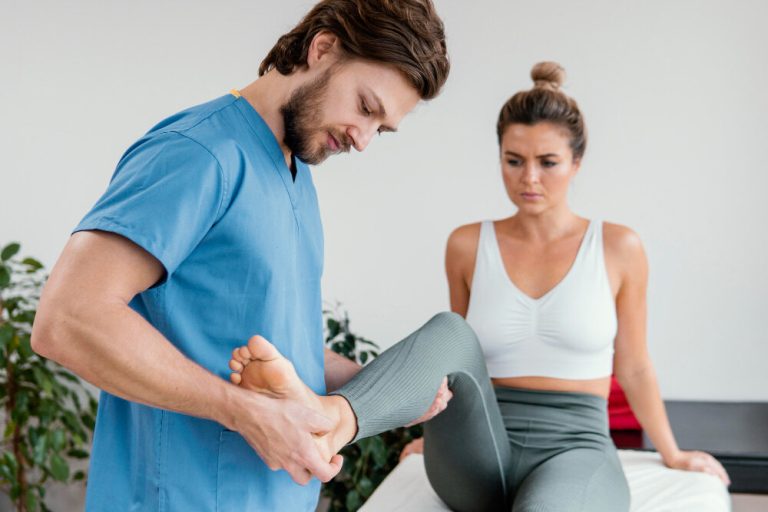
Exosome therapy for tissue repair in Chicago is gaining real traction among athletes who are tired of the same cycle: get injured, rest, repeat. Whether it’s a sprained ankle from a weekend basketball game, chronic Achilles tendon pain from years of running, or knee degeneration from high-impact training, Chicago’s active population is increasingly turning to alternatives to traditional treatment options. Regenerative medicine, and exosome therapy in particular, is becoming part of that conversation.
Athletes Are Looking Beyond Traditional Recovery
For many athletes, the usual path for treating soft tissue injuries includes rest, anti-inflammatory medication, physical therapy, and, when the injury is more severe, surgery. These options can be valuable, but they may not always address the biological conditions that affect tissue healing or the length of recovery. Tendons, ligaments, and cartilage often recover slowly because they have limited blood supply and are subject to repeated mechanical stress, even during rehabilitation. This is one reason regenerative approaches such as exosome therapy are becoming part of the recovery conversation.
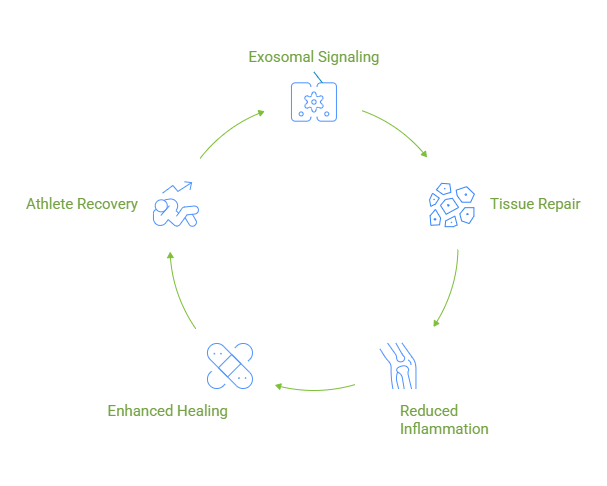
Exosomes are tiny extracellular vesicles that act as biological messengers between cells. They carry proteins, lipids, and genetic material that may influence how nearby cells respond. In musculoskeletal recovery, researchers are studying whether exosomes can help regulate inflammation, support connective tissue signaling, and improve the environment needed for the body’s natural repair processes.
What the Research Is Exploring
The science behind exosome therapy is still evolving, but the direction of research is meaningful for athletes with lower-extremity injuries. Studies have examined exosomal signaling in several areas relevant to sports-related tissue damage:
- Tendon and ligament repair: Research suggests that exosomes may support the extracellular matrix, the structural framework that gives tendons and ligaments their strength and flexibility.
- Cartilage and joint health: In knee osteoarthritis research, exosomes have been studied for their potential to protect cartilage cells and influence the inflammatory environment within the joint.
- Chronic overuse injuries: For conditions such as tendinopathy or recurrent ankle instability, exosomal signaling may help address the stalled-healing environment that keeps athletes sidelined longer than expected.
What makes this approach particularly relevant for athletes is the idea that exosomes don’t simply mask symptoms; they’re being studied for their potential to influence the biological factors that drive recovery at the cellular level.
The Lower Extremity Connection
Chicago athletes place a great deal of stress on their lower extremities. Runners log heavy miles on pavement, basketball and soccer players absorb repetitive impact through their ankles and knees, and cyclists deal with chronic tendon stress that builds up over entire training seasons. Tissues such as tendons, ligaments, fascia, and cartilage are exactly where healing often stalls, making them a primary focus of emerging regenerative treatments.
Regenerative Lower Extremity specializes in this specific area of the body and evaluates patients with conditions affecting the foot, ankle, and knee. The clinic bases its entire approach on a precise diagnosis. Providers first work to determine the exact tissue involved and the severity of the condition before deciding whether a regenerative option makes sense for a particular individual. This step is critical because every injury responds differently, and setting realistic expectations is fundamental to responsible care.
Exosome therapy for tissue repair in Chicago is not a shortcut, and it’s not appropriate for every injury or every patient. Candidacy depends on the diagnosis, the health of the tissue involved, and the patient’s overall treatment goals. Athletes who tend to benefit most from regenerative evaluation are those dealing with:
- Chronic lower extremity pain that hasn’t responded well to conventional treatment
- Tendon or ligament injuries with slow or incomplete healing
- Joint degeneration that is limiting training and daily function
- A desire to explore non-surgical options before committing to an invasive procedure
Recovery timelines also vary. Providers typically combine regenerative treatment with rehabilitation and activity modification to support the best possible outcome. There’s no single protocol that works for everyone, which is why a thorough evaluation is the starting point.
Exosome therapy is an intriguing area of regenerative research; for athletes with persistent lower-extremity injuries that haven’t responded to standard care, understanding what it may or may not offer is worth researching further. Regenerative Lower Extremity provides consultation services to help patients determine whether this approach suits their condition and recovery goals.
Next step
Have a question for RLE Institute?
A national institute of physician specialists (DPM) advancing non-surgical regenerative medicine for the foot, ankle and lower leg — stem cell therapy, exosome therapy, PRP, peptide therapy, BMAC and combination treatments — to help people move better and live with less pain. Locations in Ohio, Chicago, Puerto Rico, South Carolina and South Dakota.
Get in touch