
ball of the foot
Ball of the Foot Pain: What the Location Can Tell You and When to Seek Care
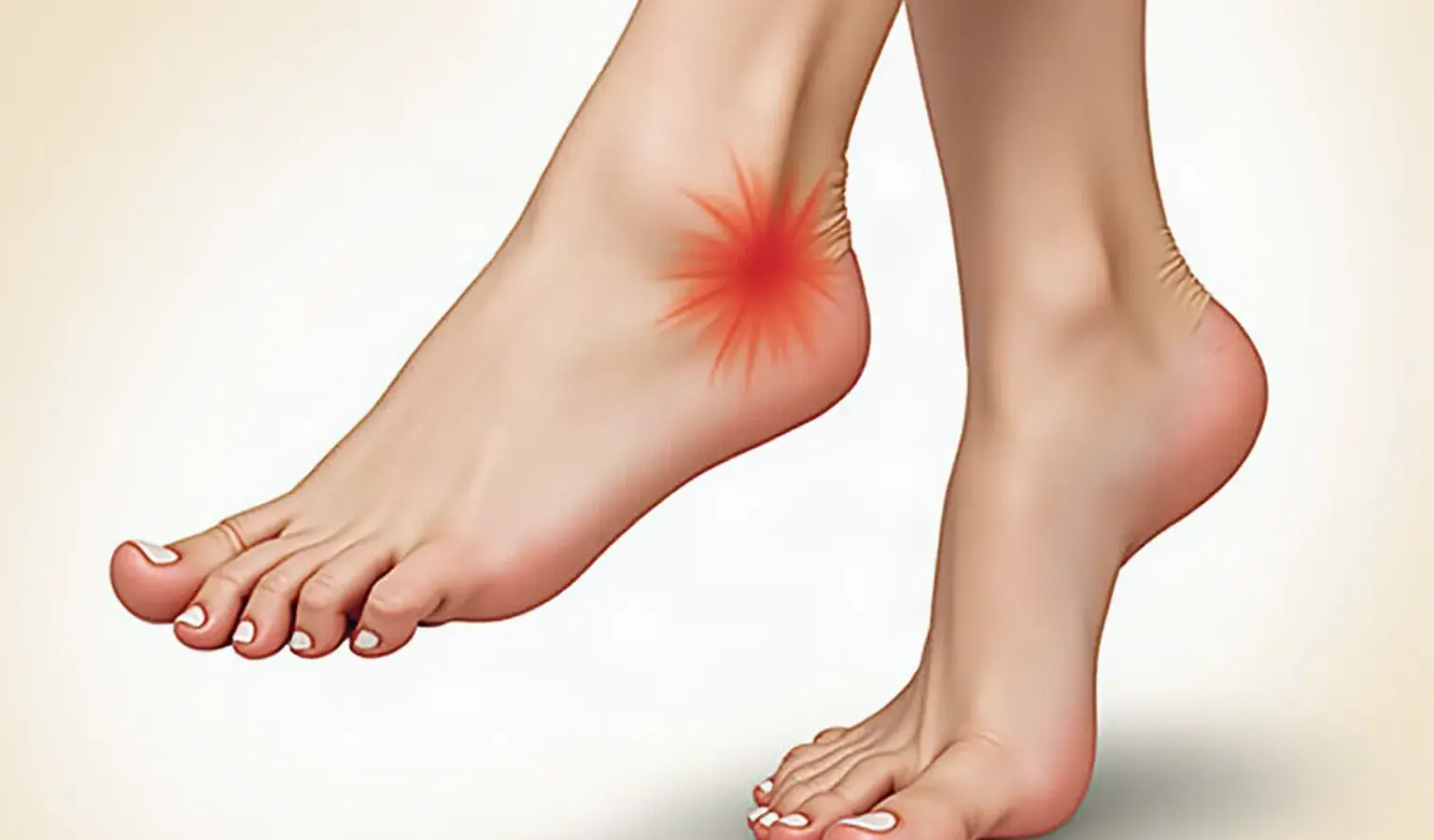
Start with what “the ball of the foot” means
The ball of the foot refers to the weight-bearing part of the forefoot involved in standing or exercise. Pain in this area may also spread toward the toes.
Metatarsalgia is the term used for pain in the forefoot. The term describes where you hurt; it does not identify one confirmed cause. Injury, footwear, activity, toe or foot conditions, and nerve irritation can all lead to symptoms in the same general area, so the location gives you a starting question rather than a diagnosis.
Forefoot location can help you organize what to notice next. Pay attention to the exact spot, the quality of the sensation, what you were doing when it began, and whether it affects walking or exercise. Those details make the next decision more useful: reduce avoidable pressure for a limited period, or arrange an examination when the problem continues or interferes with function.
Use the symptom pattern to frame questions, not conclusions
Ball-of-foot symptoms can feel different from one person to another. Metatarsalgia may involve sharp or aching pain beneath the toe joints, burning, shooting discomfort, pins and needles with numbness, or a feeling like a pebble or bunched-up sock under your foot. Pain can range from mild to severe and may affect one foot or both.
A sensation pattern can suggest which questions deserve attention, but it cannot establish the cause by itself. Pain after a new activity may raise a pressure or injury question. Burning, tingling, or a pebble-like feeling may make nerve irritation worth discussing. Metatarsalgia can result from injury, poorly fitting shoes, excessive exercise, bunions, or nerve entrapment, so the same symptom can fit more than one explanation.
Morton’s neuroma involves an irritated, swollen nerve between the toe bones, and pressure is considered its most common cause. If your discomfort feels burning or electric, travels toward the toes, or seems tied to pressure from your shoes, record that pattern for a clinician. Treat it as a question about nerve irritation, not as proof that you have Morton’s neuroma.
Your symptom pattern becomes more useful when you ask a few specific questions: Is the discomfort under a particular toe joint or between the toes? Does it appear with every step, only after exercise, or mainly in certain shoes? Does numbness accompany the pain? Does removing pressure change the sensation? These questions organize your observations without turning them into a self-diagnosis.

Consider pressure and activity before assuming a single condition
Pressure on the forefoot can increase with higher body weight, high heels, thin-soled shoes, high-impact activities such as running, high arches, tight calf muscles, or tight Achilles tendons. These factors do not prove why you hurt, but they can show where repeated loading may be adding irritation. Look for a pattern between discomfort and time spent walking, standing, running, or wearing a particular shoe. An activity-related pattern and a footwear-related pattern can overlap: a shoe may increase pressure during walking, while a sudden training increase adds load even in a familiar shoe. Recording both factors helps avoid assuming that one change explains every symptom.
A sudden increase in activity or pressure can cause microtrauma and inflammation around the bones and joints in the forefoot. That change might follow a new running schedule, a longer walking route, a return to sport, or more time standing than usual. Write down what changed and when the symptoms followed it. The timing can help a clinician understand the problem without telling you which condition is present.
High arches may be natural or related to a medical condition. Mild cavus foot may cause no problems, but it can cause problems for some people and may progress. Tight calf muscles and Achilles tendons can also increase pressure at the front of the foot. If you notice a high arch, calf tightness, or a recent change in activity, include that information when you describe your symptoms.
Pressure is a useful question because it points toward practical observations: which shoes increase discomfort, whether symptoms follow impact, and whether rest from a triggering activity changes the pattern. Pressure is not a complete explanation. If symptoms continue after you reduce an obvious source of irritation, move from observation toward an evaluation rather than repeatedly testing the same painful activity.
Notice when nearby structures may change forefoot loading
A bunion or big-toe arthritis can put extra pressure on the forefoot, including after bunion-correction surgery. If discomfort began alongside a visible change near the big toe, stiffness, or a history of surgery, mention that connection. The nearby structure may be changing how pressure reaches the area, but only an examination can determine what is involved.
Hallux rigidus is related to stiffness of the big toe and may be associated with wear and tear, repeated big-toe injuries, poor foot alignment such as flatfoot or a bunion, and genetic factors. Big-toe stiffness can therefore belong in the history when forefoot pain and limited toe movement occur together. A label based on location alone would be premature.
Foot-mechanics changes can overload the metatarsophalangeal joints and contribute to inflammation, capsulitis, plantar plate injury, subluxation, and hammer-toe deformities. These terms describe possible structures and processes that a clinician may consider when pressure, alignment, toe position, and joint motion do not fit a simple footwear explanation. They are not conclusions you can make from symptoms alone.
Nearby findings are worth recording because the forefoot does not function as an isolated spot. Note a bunion, a stiff or painful big toe, a change in toe position, a high or flattened arch, or prior surgery. Bring those observations into the conversation, while leaving the connection between them and your pain for the examination. That is why a clinician may consider more than the painful spot: alignment, toe position, and joint motion can all be relevant to how load reaches the forefoot.
Try limited pressure-reduction measures while symptoms are mild
Pressure-reduction footwear can give you a reasonable first measure when symptoms are mild and you are not seeing a worsening or function-changing pattern. Consider cushioned shoes with enough room for your toes to move freely. Stiff or rocker-soled shoes may reduce painful toe bending, while narrow or high-heeled shoes may aggravate symptoms. Hard skin or a verruca can cause metatarsalgia; for hard skin, daily moisturizing cream with regular foot-file use or podiatrist debridement is described as an option.
A wider toe box, a lower heel, and a soft sole may reduce pressure when Morton’s neuroma is suspected. These features are a general pressure-reduction approach, not confirmation that a nerve problem is present. Compare how your symptoms respond in roomy footwear with how they feel in narrow or restrictive shoes, and record the difference.
Orthotics or metatarsal pads may redistribute pressure across the forefoot when nerve irritation is suspected. Use them as a question to discuss if symptoms persist, rather than assuming that an insert is appropriate for every cause of pain. A pressure-changing device that does not fit your symptom pattern should not delay an examination when walking remains difficult or discomfort continues.
Limited self-care means making a clear change and observing the response instead of adding several interventions at once. Note the shoe, activity, and time period involved. If the change does not help, if symptoms repeatedly return with ordinary activity, or if walking becomes abnormal, the next useful step is evaluation rather than indefinite experimentation.
Use activity response as a practical checkpoint
Activity response can help you decide whether continued self-management makes sense for a short period. Discomfort that follows a clear increase in loading and settles when avoidable pressure is reduced may justify cautious observation. Repeated aggravation is different: it should not be treated as proof that continuing the same exercise is helping. Record the response and use persistence or functional change as the point at which you seek an examination.
Calf stretching may help reduce forefoot pain during walking. The cited guidance begins with a light stretch held for 15 seconds and increases the hold to 60 seconds as comfort allows. The guidance also describes repeating the stretch five times a day and doing it daily for three months, then continuing regularly. Keep the movement controlled rather than bouncing forward and backward.
A comfort-limited stretch is different from forcing a painful movement. Start with the shorter hold, increase only as comfort allows, and record whether walking changes over time. The exercise is a general measure that may help; it does not establish the cause of your symptoms or replace an evaluation when pain persists.
Your activity checkpoint should answer three practical questions: Did the symptom begin after a measurable increase in loading? Does reducing that loading change the symptom? Is the problem affecting how you walk or what you can do? A clear answer to the first two may support brief observation, while an unresolved or function-changing pattern should move you toward professional assessment.

Let persistence and function move the decision toward evaluation
If metatarsalgia symptoms continue, see a healthcare provider. Ongoing metatarsalgia symptoms can contribute to limping and compensatory pain in areas such as the lower back and hip.
Walking changes are a practical signal that the problem deserves attention. If you are limping, avoiding weight on one part of the foot, or changing how you move to protect the painful area, do not treat that pattern as a reason to keep testing the same activity. In Bayamón, Puerto Rico, the same threshold applies: persistent or function-changing symptoms call for a healthcare evaluation.
Use this short decision path:
- If symptoms are mild, tied to a clear pressure or activity change, and not affecting your walking, try limited pressure reduction and observe the response.
- If symptoms continue despite that change, return repeatedly, or alter your walking, arrange a foot-pain evaluation.
- If the pattern is unclear, bring your observations to a clinician instead of choosing a diagnosis from the symptom location.
Know what a clinician may examine
For suspected sesamoiditis, a healthcare provider may move the big-toe joint and assess whether movement causes pain. Your description of timing, activity, footwear, and function gives that examination useful context.
A clinician may assess pressure-sensitive areas, foot and toe alignment, the spaces between the toes, and toe-joint range of motion. Those checks help identify where your symptoms can be reproduced and whether alignment or joint movement belongs in the discussion. They do not turn a symptom pattern into a diagnosis before the assessment is complete.
Targeted tests may be used when Morton’s neuroma is suspected. A clinician may apply pressure between the toes or compress the forefoot to see whether the maneuver reproduces your pain. The examination may therefore focus on the exact place and sensation you describe rather than treating every forefoot complaint as the same problem. These maneuvers are part of a focused examination, not a stand-alone diagnosis. A response to pressure or compression should be considered alongside pain location, sensation, joint motion, and alignment findings because more than one condition can produce symptoms in the same forefoot area.
You can prepare by identifying the most painful spot, the movements that reproduce it, and the activities or shoes that change it. Mention whether symptoms include burning, shooting pain, numbness, or a pebble-like feeling. This preparation does not replace the examination; it helps you give the clinician a clearer account of what you experience.

Bring the location and timing pattern to the visit
A symptom record can hold the details that are easy to forget between episodes. Write down whether one foot or both feet are affected, where the sensation begins, whether it reaches the toes, and whether it feels aching, sharp, burning, shooting, numb, or pebble-like. Add the date the problem began and whether its intensity or frequency has changed.
Location and sensation are only part of the pattern. Record the activity that preceded symptoms, any recent increase in walking, running, standing, or exercise, the shoes you were wearing, and whether a wider or cushioned shoe changes the pressure. Note high arches, calf tightness, Achilles tightness, a bunion, big-toe stiffness, or previous big-toe surgery when those details apply to you.
Walking function belongs in the record because ongoing symptoms can contribute to limping and compensatory pain in the lower back or hip. Write down whether you shorten your stride, avoid certain surfaces, stop exercise, or shift weight away from the painful area. A concrete description of what you can and cannot do is more useful than relying on a broad label for the pain.
A concise question list can keep the visit focused:
- Could the pressure pattern, footwear, activity change, or foot alignment be contributing?
- Does the location or sensation make nerve irritation, joint stiffness, or another structure worth examining?
- Which parts of the examination will help distinguish pressure, joint, nerve, or big-toe concerns?
- What change in walking or persistence should guide the next step?
Use the answers to understand the evaluation, not to select a diagnosis before it occurs.
Take the next informed step
Persistent, worsening, or function-changing forefoot symptoms deserve a closer look, especially when pressure reduction has not settled the problem or walking has changed. A qualified healthcare professional decides what your symptoms mean for you after considering your history and examination. Bring your location, sensation, activity, footwear, duration, and walking pattern so the conversation can begin with useful information.
The goal is not to assign yourself a condition from a painful spot. The goal is to decide whether a limited pressure-reduction approach is reasonable for now or whether your pattern has crossed the threshold for evaluation. If it has, use the available next step to request information about an assessment.
What should you do if ball-of-foot pain keeps returning?
Is walking good for ball-of-foot pain?
It depends on how symptoms respond. If discomfort followed a clear increase in activity, is mild, and does not change your walking, reducing the triggering load and observing briefly may be reasonable. Repeatedly worsening pain, limping, or pain that returns with ordinary walking is a reason to stop testing the activity and arrange an evaluation.
How can I tell whether ball-of-foot pain needs an evaluation?
Arrange a foot-pain evaluation if symptoms persist despite pressure reduction, repeatedly return, interfere with ordinary walking or exercise, or cause you to limp or shift your weight. Mild symptoms linked to a clear footwear or activity change may be observed briefly, but the location alone cannot identify the cause.
What should I record before seeing a clinician about forefoot pain?
Note the exact location, whether symptoms reach the toes, the sensation involved, when it began, and whether one or both feet are affected. Also record recent changes in walking, running, standing, or exercise; the shoes involved; changes with wider or cushioned footwear; and any bunion, big-toe stiffness, arch change, calf tightness, or prior surgery. Include how the problem affects walking and daily activities.
Free consultation
Find out whether regenerative treatment is right for you.
Most consultations begin as a telehealth call with a physician specialist, so you can start without travelling to a clinic. No referral needed.